
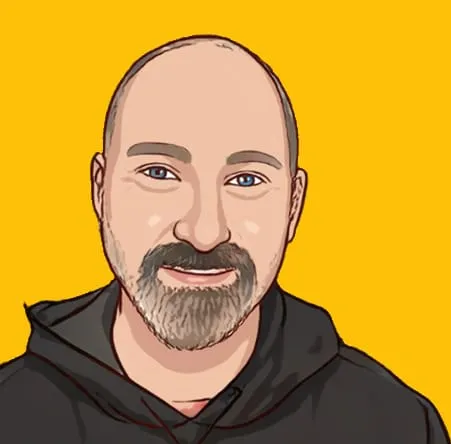
This is the story of Tammi, a mother who shares her son's diagnosis in 2024 and how managing his illness has marked the lives of her family.
At first, the diagnosis was not easy. The endocrinologist thought it was type 2 diabetes, but they finally confirmed that it is type 1. Since then, they have had to learn about glucose control and start very rigorous monitoring. At first, just diet and control were enough, but there came a time when insulin became essential, which then implied a new level of responsibility and care.
Tammi talks about how the cost of insulin was a real blow to her family, and how they depended on health insurance to cope with it. Cuando la madre perdió su trabajo y el seguro, el gasto pasó a ser un golpe directo para el bolsillo, algo que seguro reconocemos muchos de nosotros o nuestros familiares. Esa incertidumbre y preocupación que surge al no saber si podrás costear la medicación indispensable es algo que muchos hemos vivido o tememos vivir.
Luckily, they found a support program that helped them for six months, but reflecting on what would have happened without that support is a harsh reminder: no parent should have to be in that situation. No one should have to worry about how to pay for a medication that literally saves lives.
Tammi also recounts the most human and emotional aspect of this entire process. Your teenage son sometimes gets frustrated with diabetes and constantly having to check his glucose and take insulin when his friends don't deal with these concerns. But still, he stands his ground and that inspires a sense of pride and hope.
Furthermore, they have not had emergencies or hospitalizations due to diabetes, which speaks of the effort and perseverance required to maintain good control. However, Tammi makes it clear that living with type 1 diabetes also means dealing with the emotional aspects and financial planning that a chronic illness requires.
This story helps us put into context what we often overlook: controlling diabetes is not just adjusting numbers or following insulin routines, but managing a great emotional and economic burden on our families. Education, resilience and access to affordable healthcare and life-saving medications such as insulin are fundamental pillars that directly impact our quality of life.
For those of us who have type 1 diabetes, or accompany those who have it, this story is a mirror that reflects common experiences and also a call to value and demand that insulin and accessible treatment be a reality for everyone. It invites us to think about what this disease means in our daily lives, how it confronts us with challenges that go beyond glycemic control, and to share strategies and support.
I am left thinking about how to manage these situations and the importance of creating support networks that give us strength in difficult times, both financially and emotionally.
Have any of you been in similar circumstances with the cost of insulin or found support that has made a difference? How have you handled it in your daily life?
Greetings,