
There is news that, at first glance, should fill us with hope... but that also invites us to reflect a little beyond the headline.
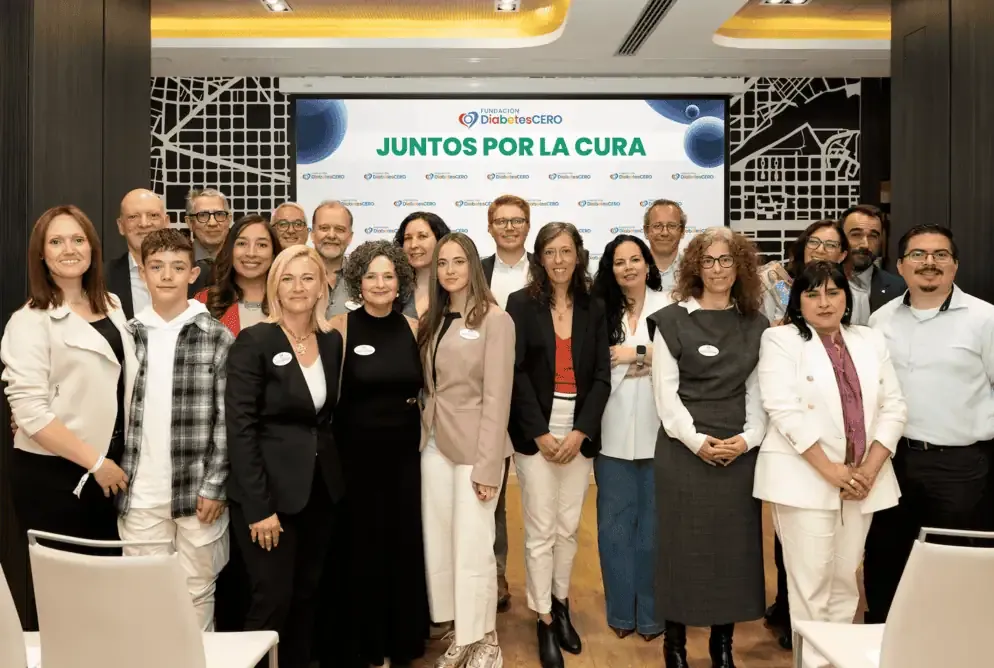
The DiabetesCERO Foundation has announced the donation of 300,000 euros to promote four research projects focused on the cure for type 1 diabetes. On paper, it sounds good: support for new immunotherapies, stem cell research, innovative studies... all focused on moving towards something that we all want.
But to be honest... to what extent is this enough?
When we talk about biomedical research, we are talking about complex, long and extremely expensive processes.Clinical trials, development of therapies, validation of results… all of this requires millions, not hundreds of thousands.And this is where many of us may feel a certain bittersweet feeling.
Because of course it is positive that resources are allocated.Of course every euro adds up.But it also gives the impression that, sometimes, these types of initiatives remain more in the gesture than in the real impact.
And it is inevitable to ask: are we really moving towards a cure... or are we maintaining a system that needs to continue functioning, financing and justifying itself year after year?
This is not a criticism of the researchers, far from it.They are probably the ones who suffer the most from this lack of structural resources.It is rather a reflection on the model itself: small dispersed contributions, fragmented projects... compared to the real magnitude of the problem.
Meanwhile, people with type 1 diabetes are still here, day by day, managing a disease that gives no respite.And that means that any news about “progress towards a cure” is received with enthusiasm… but also with caution.
Perhaps the conversation we should have as a community is different: how we ensure that research has a truly transformative impact.How do we move from small initiatives to solid, sustained and coordinated strategies that truly accelerate change.
Because in the end, this is not about headlines.It's about lives.
What do you think?
Do you think that these types of initiatives really make a difference or do they also raise doubts about their real impact?
I read you.