Living with diabetes is not just about counting carbohydrates, adjusting insulin or monitoring an arrow on the sensor.It is also learning to manage looks, comments and prejudices that are often disguised as concern.
“Are you going to eat it?”, “Can you do that?”, “Isn't it because...?”There is not always bad intention.But there is impact.
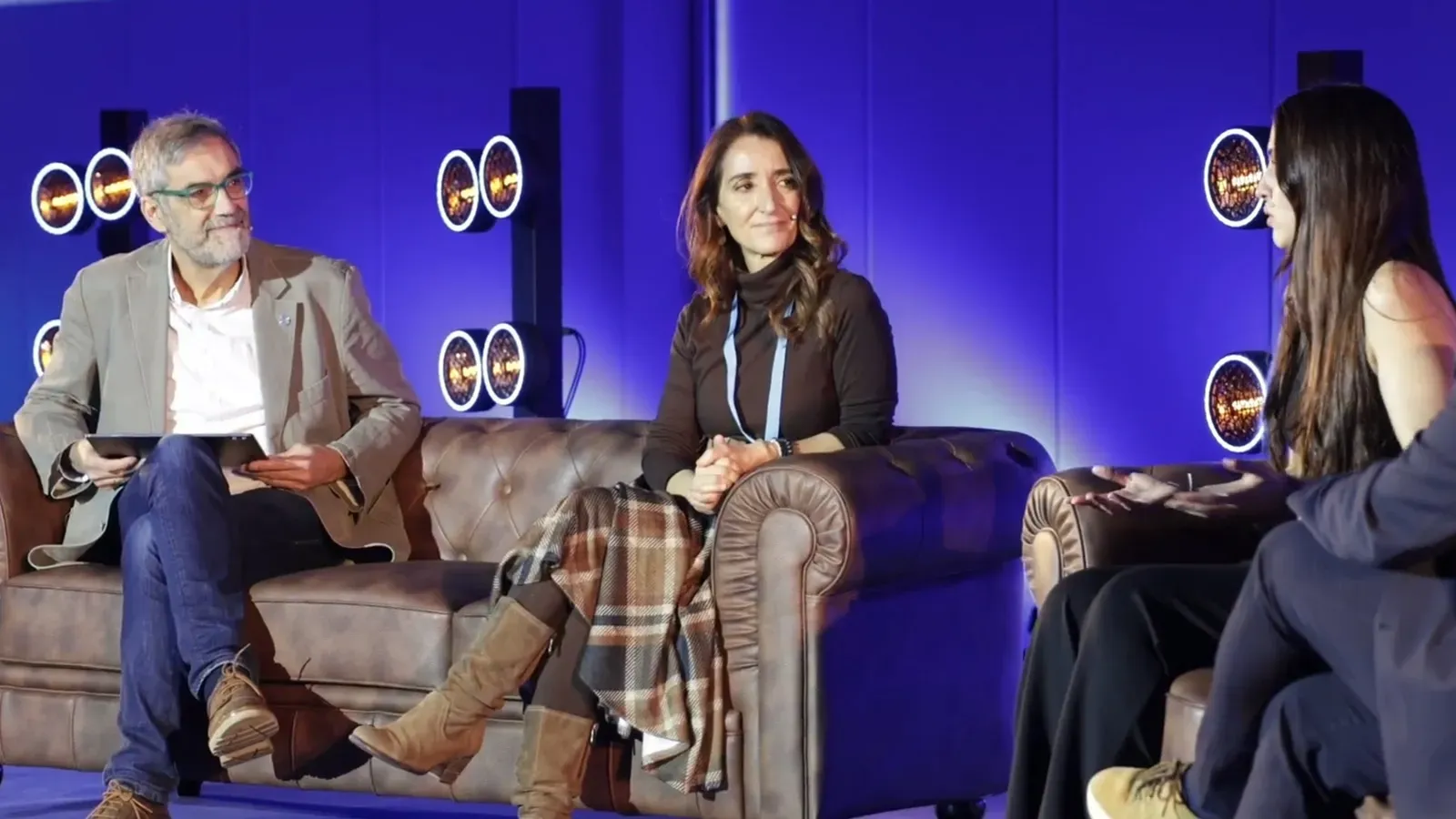
At the last Diabetes Experience Day, held in Córdoba, something that many people feel and rarely verbalize was clearly discussed: stigma.As shared there,seven out of ten people with diabetes have felt stigmatized at some point.And it hurts.
When technology helps… and also exposes you
Today we wear sensors on our arms, visible pumps, patches, cell phones that vibrate in the middle of a meeting.Technology gives us freedom and control.But it also “points out” to us.
The problem is not that the diabetes is visible.The problem is what others project onto what they see.
A quick trial.A guess.A label.
I've felt that discomfort when someone looks at me while giving me insulin, like I'm doing something wrong.Or when they suggest that I do it “in the bathroom,” as if it were something I should hide.
It's not a whim.It is a health gesture.It's health.
Self-stigma: when you end up believing what you hear
The most dangerous thing is not always the external comment, but when it begins to seep inside.
“I'm sure I don't take care of myself enough.”
“I'm a mess.”
“I'm always causing problems.”
That emotional exhaustion is heavy.And it can lead to hiding diabetes at work, not asking for reasonable accommodations, not stopping when you have hypoglycemia for fear of appearing “less professional.”
And that is dangerous.Because diabetes doesn't go away by hiding it.It only gets lonelier.
Guilt, prejudices and simplifications
With type 2 diabetes, moral judgment is usually even harsher.It is simplified, it is blamed, everything is reduced to “habits”.As if it were a basic equation.As if genetics, social context or metabolic factors did not exist.
Guilt paralyzes.Responsibility, on the other hand, is active.
We did not choose to have diabetes.But we can choose how to live with it.And we need an environment that accompanies, not points.
Overprotection that also limits
At home, stigma is sometimes disguised as love.Overprotection, infantilization, decisions that others make “for your good.”
I appreciate the concern.But I need respect.
Don't limit me.I will limit myself when I see it necessary.
Diabetes complicates things.But it doesn't define my talent.It doesn't reduce my dreams.It doesn't touch my dignity.
If you have diabetes, I want you to know something: you are not exaggerating when a comment makes you uncomfortable.You are not weak for feeling heavy.What we experience is not only physical;It is also emotional and social.
And if you are a family member, partner or friend, your role is enormous.Listen without judging, ask without assuming, accompany without controlling.That makes the difference.
Education, empathy and information are our best tools against stigma.Let's keep talking about this.Let's continue making visible.Let's continue normalizing.
Because living with diabetes is already enough of a challenge without also carrying prejudices that do not belong to us.