{'en': '20 km of mountains with diabetes: yes it is possible and I will explain how', 'es': '20 km de montaña con diabetes: sí se puede y te explico cómo'} Image

20 km of mountains with diabetes: yes it is possible and I will explain how

Les gusta a @tony
  
fer
03/02/2026 9:59 a.m.

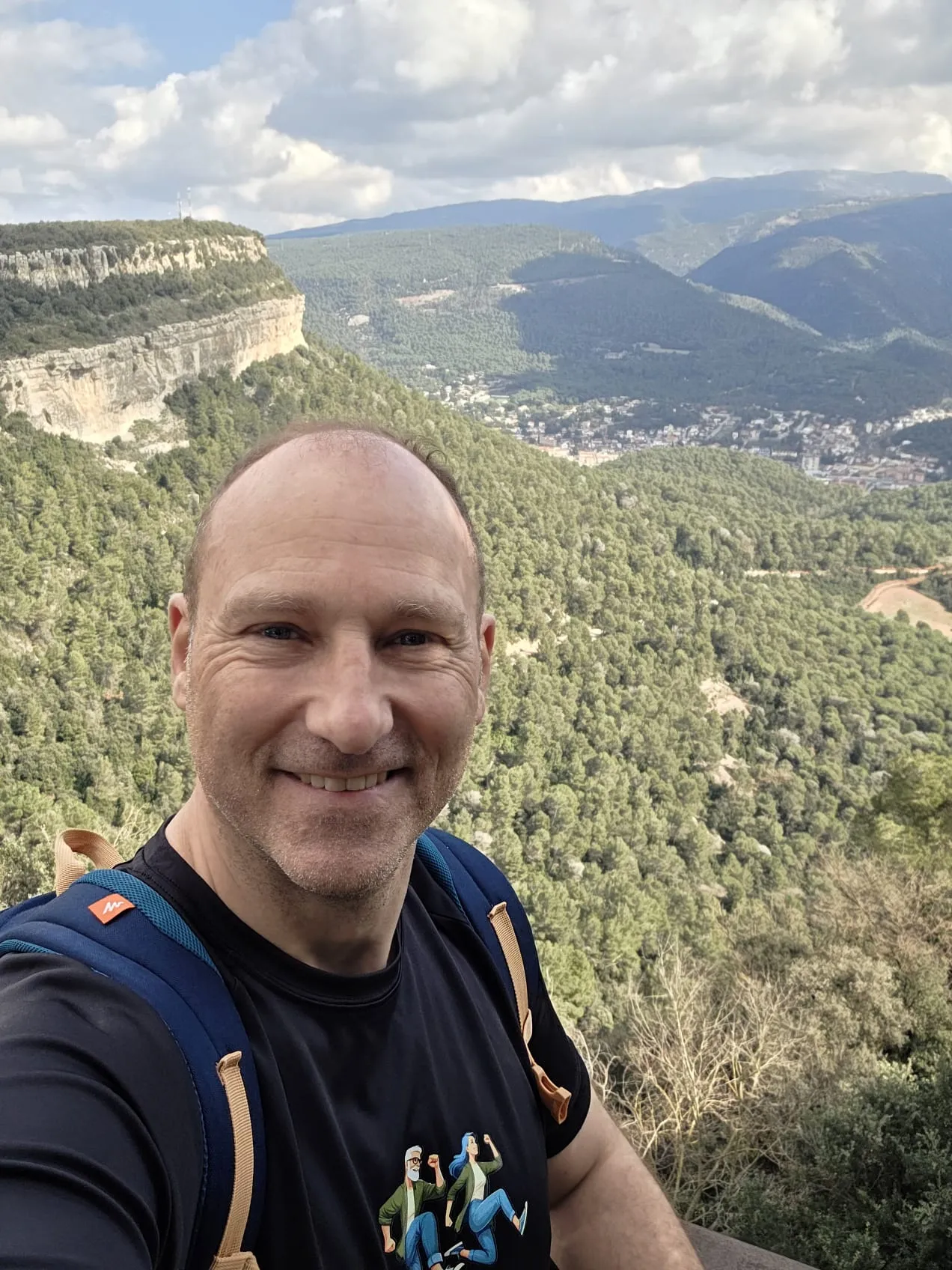
This weekend I did something that years ago I might have doubted whether I could do with diabetes: a 20 km route through the mountains, more than 5 hours walking, with significant elevation gain and real physical demands.

It has not been improvised.It has been planned.Thought.Tight.And yes, with some hypoglycemia along the way.

I wanted to share here not only the reel that I published on Instagram, but above all how I organized the start: how I adjusted the pump, how I managed the climbs, what I did when the first hiccup appeared, how I took advantage of the refreshment stations and what I carried in my backpack to feel safe.

Link

Because playing sports with diabetes is not a matter of luck.It is a matter of preparation, experience and constant learning.

I'll tell you how the route was and what decisions I made during the journey 👇


🌄 Get up early, plan and anticipate

Getting up at 5:30 a.m. to have breakfast ahead of time before starting to walk already makes a difference.When we do long routes (5 hours and 20 km is not anything), the time beforehand is key: controlled breakfast, margin to see the trend and leave with some stability.

Coming out with glucose >200 mg/dl and still having a hiccup in the middle of the rise is something that many of us have experienced.The mountain does not forgive: the effort on the way up, the accumulated slope and the intensity cause glucose consumption to skyrocket.

And here is a very important point for everyone:

👉 Even if you start high, intense exercise can make you fall quickly.

👉 Anticipating the drop and correcting it with 20 g of glucose (4 5 g pills) was a perfect decision.


That's not luck, that's experience.


⛰️ Management during the route

Disconnecting the pump on the climb was a logical strategy due to the intensity of the section.Then, in softer areas, reconnecting in Easy-Off mode demonstrates something key: flexibility and constant adaptation.

The supplies were almost strategic:

Km 5: coke with sugar + chocolate shake → quick stabilization.

Km 10: cheese sandwich + 20-minute stop → more sustained recharge.

Last 5 km downhill → muscle fatigue, but stable glucose.


Here is another very powerful learning:

👉 It's not about making it perfect, but about reading the body and adjusting.

👉 The goal is not to avoid all hypos, but to manage them safely.


🎒 Preparation: the invisible key

“When I do sports, I always go prepared for hypoglycemia, they are inevitable.”

That's exactly what makes the difference.

Backpack with:

  • glucose pills
  • Gels
  • Cookies
  • Safety Extras (Glucagon)


Being prepared does not eliminate risk, but it eliminates fear.And that completely changes the experience.


💬 Why is sharing this here so important?

Because someone reading this right now may be thinking:“I couldn't do a 20 km route with diabetes…”And the reality is that it is possible.

  • With planning.
  • With experience.
  • With community.

These types of posts help much more than it seems.They give real practical ideas, not theory.

If you are interested in sports, mountains, running or simply walking more, I encourage you to share how you manage it.We all learn together.

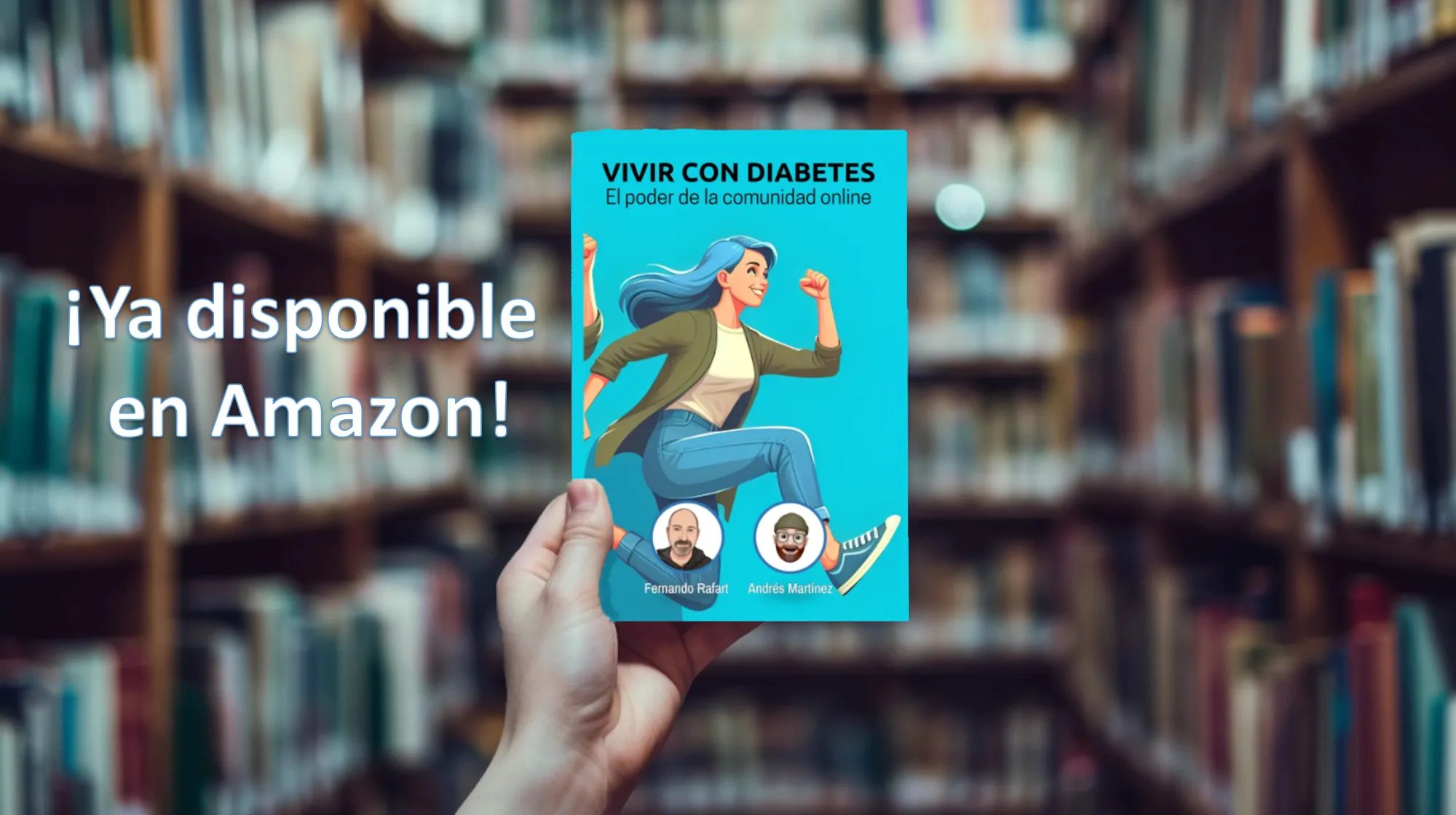
And if you want your partner, your friends or your family to understand what is behind something as “simple” as doing a mountain route with diabetes, I really recommend the book “Living with diabetes: The power of the online community”.It explains precisely this: the invisible part, the mental planning, the wear and tear, and also the enormous satisfaction of achieving it.

Because living with diabetes is not just about controlling numbers.

It is organizing a backpack, anticipating a hiccup in the middle of the climb and still enjoying the landscape.


Who is willing to share their next sporting experience?💙


Greetings,

Diabetes Tipo 1 desde 1.998 | FreeStyle Libre 3 | Ypsomed mylife YpsoPump + CamAPS FX | Sin complicaciones. Miembro del equipo de moderación del foro.

Autor de Vivir con Diabetes: El poder de la comunidad online, parte de los ingresos se destinan a financiar el foro de diabetes y mantener la comunidad online activa.

Sígueme en Instagram

  
etogonza
03/08/2026 10:07 a.m.

After taking so much hc during exercise, when my body metabolizes everything after exercise, it is usual for me to have hyperglycemia.

No signature configured, add it on your user's profile.
  
a_moreno
03/08/2026 10:57 a.m.

I loved this post, it would be super useful if someone who does not use an insulin pump also added their experience on long routes.

I am one of those people who wants to do more hiking but I have a hard time getting around to it because of the planning that goes into it.

I just did a 4 km mountain route with about 300 m of elevation, just a couple of hours, it was a mini challenge because I hadn't done it in a long time and although it went well, I admit that the fear of hypos in the middle of nowhere makes the situation stressful.

I don't use a pump, so my previous preparation was: high-load food before leaving and I started with blood sugar at 180 mg/dL, halfway there I stopped to eat fruit and had a little juice 🧃and after finishing the climb came the blood sugar drop, there I ate a banana and we finished the route straight to eat.

There weren't many surprises but it was a little intimidating because the hiccups seem inevitable.

The important thing is to have the best time possible,

Greetings!

No signature configured, add it on your user's profile.
  
Shark
03/09/2026 8:25 p.m.

Good afternoon!

I just read this thread and of course you can, why not?As @fer says, it's just a matter of planning and anticipation.With that in mind, we do what we set out to do.

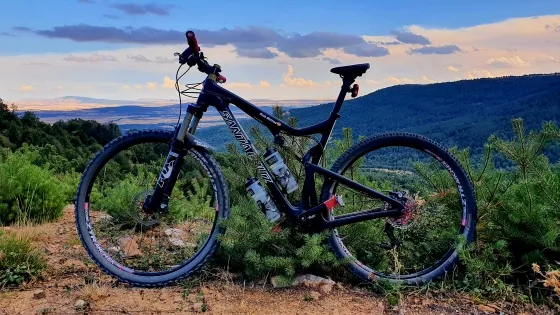
I'll write when I can find a space, I'm very busy, but I'll tell you that I've been doing MTB for many, many years, before I was diabetic, and I still do very long routes, some of 100 km and quite a few hours without stopping, hahaha and the bike is not electric.

I'm eating on the road and the backpack I'm carrying is worthy of a report, but it works well for me like this, lowering my basal rate (Tresiba) a couple of days before and getting less fast (Novorapid) that day at breakfast and eating while analyzing inertia and making predictions, but hey, I'll make a long comment now.

I encourage everyone to do as much physical exercise as possible, it is magical for people like us 😃

Tresiba + Novorapid + Deporte 🚵🏻
Dexcom G7

  
tony
03/11/2026 10:16 a.m.

Hello @fer and the rest of my fellow hikers.I go up the mountain at least once a month, doing routes of 5 hours or more, and zero problems.It is enough to know yourself a little and plan well.As they are usually long routes with unevenness, and I go with large groups of people of different ages, there are always some stops to eat and 'stops' to catch your breath.It amazes me that the youngest (and healthy, they are people without our condition) do not stop eating all the time: fruits, chocolates, sweets, sandwiches, etc... We know that you do not run out of energy just like that, and that it is not necessary to eat so many times, but hey, everyone should make a coat out of their coat.

Let's see, I'm getting tangled, get to the point.I keep hypoglycemia at bay with my glucose gummies (dextro energy 5g) and some small tangerine-type fruit.Of course, always keep an eye on the sensor.In my case, the main problem is that I have to look at my phone and activate the alarms, because the LibreLinkUp connected to the Glucodata handler, which are the apps that allow me to look at the levels on the smartwatch, stops working as soon as the coverage goes out.And in the mountains it is common for you to run out of a data network, so I have no choice but to keep an eye on the Libre application.

In general, hiccups can start when I have been walking for more than two hours.And if you have to climb an area with a lot of unevenness..., it is most likely that the increase in heart rate will cause moderate hyperglycemia, which in reality is not such, because it drops immediately.I have done 30 km days, walking all damn day, and I haven't had any problems.Of course, you must be equipped with several solutions 'just in case': don't forget insulin, don't forget glucose, and bring plenty of food and carbohydrates.With all that, it's just about being careful and not taking risks: I don't allow the curve to go below 80Mg/dl and I try to avoid going fast whenever possible.Although if you need it, nothing happens, as long as you have glucose or quick carbohydrates on hand.

I have tried several strategies: from not eating breakfast and doing the route on an empty stomach until lunch time, eating breakfast without taking rapid and putting insulin in the food in the mountains, to what I do now: I have breakfast with the usual rapid and I try to let a couple of hours pass before I start walking.With this last strategy, which is the one that works best for me, the most common thing is to have a picnic lunch without carbohydrates and without eating quickly, because after lunch time we usually have about 2-3 hours of walking left.These last hours after noon are when hypoglycemia occurs, due to all the time of low-intensity exercise that you have accumulated.But there I carry my secret weapon: a banana.La verdad es que da un gusto tremendo comerse un plátano sin poner insulina y que la gráfica siga en plano... Y no te digo ya terminar la ruta y poder tomarte una cervecita fría con el resto de senderistas, sin poner rápida y sin que se te descontrolen los niveles... Lujo total.

I advise you to enjoy walking in nature: there is nothing that recharges your batteries more and improves your health more than a full day in the mountains enjoying physical exercise.And it can be done with D1: you just have to know yourself.

D1 desde febrero de 2022 . Debuté con el páncreas agotado, tras años sin diagnosticar. Toujeo 24uds. Fiasp 3-4-3 +/- . Última glico 5'8%

  
fer
03/11/2026 10:53 a.m.

It's nice to read so many different experiences and see how, although each one has their own strategy, we all agree on the same thing:Diabetes does not prevent us from doing demanding things, it only forces us to do them with more intelligence..

What you are sharing seems especially valuable to me: pump routes, with multiple doses, MTB, long hiking... in the end each experience adds up and helps a lot to those who are just starting out or have that initial fear of a hiccup in the middle of the mountain.

I would say to @a_moreno that the respect you mention is totally normal.It has happened to all of us.But that is precisely why these threads are so useful: you see that others have gone through the same thing, you learn little tricks and little by little you gain confidence.Many times the first challenge is not the mountain... it isdare to try.

And to @tony and @Shark, brutal reading 30 km or 100 km bike routes.These types of testimonies greatly change the perception of what is possible with diabetes.

These types of conversations are exactly what makes community great: real shared experience.Surely more than one person reading the thread right now is encouraged to plan their next route.

And if someone else does sports with diabetes (walking, running, cycling, gym, mountain...), it would be great if they also shared what strategy they use, because every little detail can help others a lot.💙

Diabetes Tipo 1 desde 1.998 | FreeStyle Libre 3 | Ypsomed mylife YpsoPump + CamAPS FX | Sin complicaciones. Miembro del equipo de moderación del foro.

Autor de Vivir con Diabetes: El poder de la comunidad online, parte de los ingresos se destinan a financiar el foro de diabetes y mantener la comunidad online activa.

Sígueme en Instagram

Join the Discussion!

To participate in this thread, please register or log in.


💙 Join the power of the community

Choose your store and the book edition. Your purchase helps this forum continue to grow and support people living with diabetes, their families and friends.

💙 No ads. Just real support. Every book counts — it’s more than a purchase, it’s a gesture of solidarity that keeps this community alive.

We’ll auto-select your country if available.
Book edition