
Sometimes we think that to improve our glucose we need huge changes, impossible diets or eliminating foods we like.But there is something much simpler that can make a big difference: the order in which we eat.
Yes, the order.
There are more and more studies that show that not only what we eat matters, but also how we structure the plate.The so-called “food sequence” can help prevent insulin resistance, a metabolic problem that is behind prediabetes and many type 2 diabetes.
Insulin resistance occurs when our cells stop responding well to this hormone.The body then needs to produce more and more insulin to keep glucose at bay.Over time, this takes its toll.And this is where small adjustments can have a real impact on our health.
The evidence points to something very clear: start the meal with fiber, continue with proteins and healthy fats, and leave carbohydrates for last.
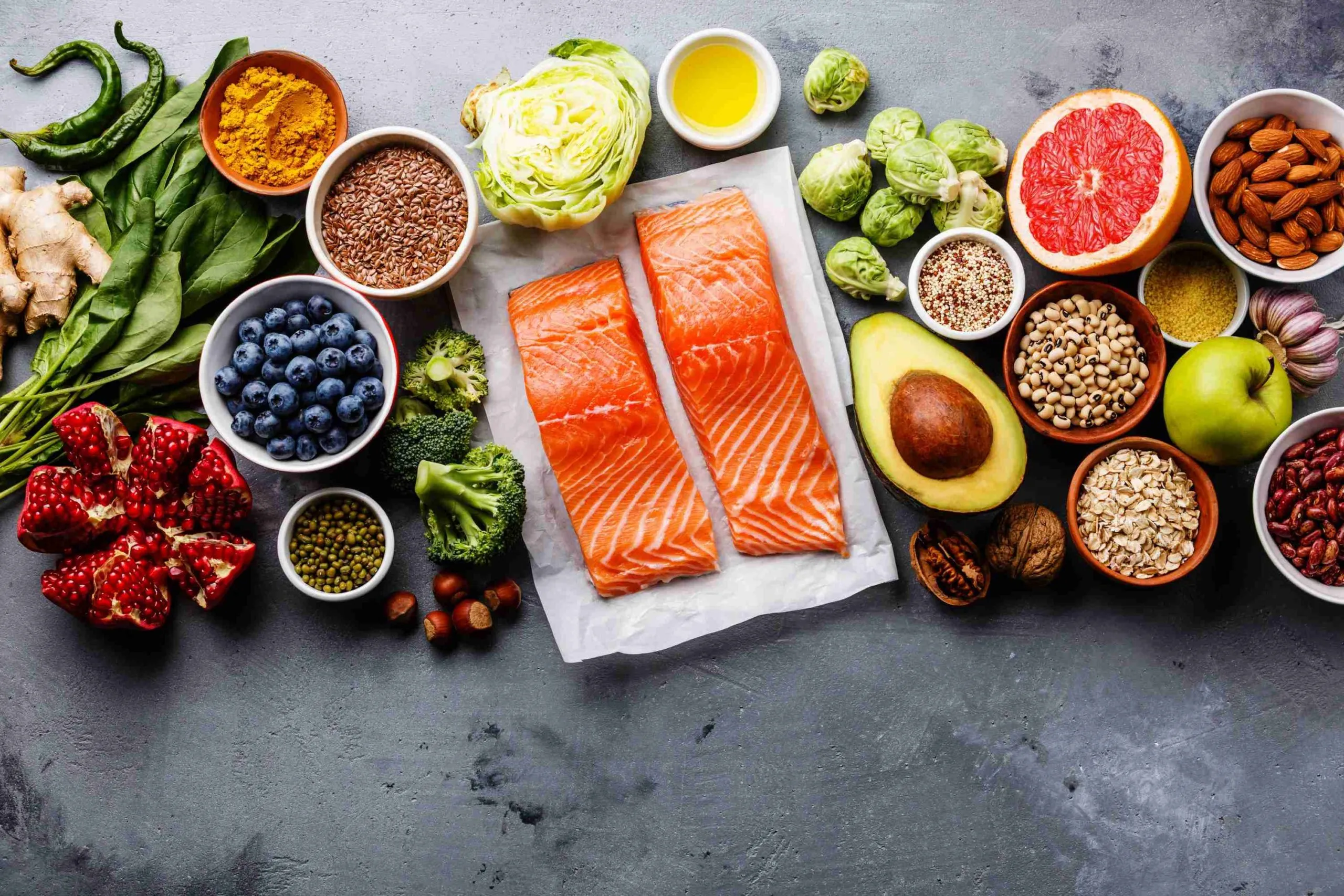
When we start with non-floury vegetables such as salad, broccoli or legumes, fiber acts as a kind of “barrier” that slows down the absorption of the sugars that come later.If we later add proteins such as chicken, fish, eggs or lean meats, along with healthy fats such as olive oil or avocado, we help gastric emptying to be slower and glucose to rise more stably.
In comparative studies, people who started with white rice had much higher glucose and insulin spikes than those who started with vegetables or protein.The same dish, different order... and a different metabolic result.
For those of us who live with diabetes or are at risk, this is a very powerful tool.We are not talking about prohibiting, but about reorganizing.It's not removing, it's changing the sequence.It is a practical strategy that we can apply today at home, at work or when we go out to eat.
In addition, the order also influences satiety and weight control, another key factor in improving insulin sensitivity.And let's not forget something important: regularity in schedules and portion sizes also count.Skipping meals or eating chaotically tends to destabilize our glucose much more.
As always, each person is different and if you have diabetes or a metabolic history it is essential to discuss any changes with your medical team.But sharing these types of strategies in the community helps us all make more conscious decisions.
Have you tried changing the order of the foods on your plate?Have you noticed fewer spikes after meals?
I encourage you to tell it in the forum.Together we build real knowledge, based on experience and science.Because living with diabetes is not just about counting carbohydrates: it is understanding how our body works and supporting ourselves to do it a little better every day.